Available for primary and secondary, plus options for parents and school staff.
mental health disorders appear before age 25
Prof. Anthony Jorm, University of Melbourne, via The Conversation; also Victorian Department of Healthfeel stressed all or most of the time
Mission Australia, 2024will not seek help
R U OK?, 2023of parents would consider changing schools if they felt their child was unhappy or not well looked after
The Educator, 2023of parents report their support needs were not completely met in the last 12 months
The Educator, 29/04/2024 — “New Research on What Parents and Carers Worry About” (ReachOut research)of teachers feel inadequately equipped to manage wellbeing and mental health issues
The Educator, 2024 (53%)schools identify wellbeing as their highest priority
The Educator, 2024 (48%)Relationships + Resilience = Results
A full cohort. In your hall. On your schedule.
How to drop the need to be 'liked' and learn how to be loved
How to build your resilience bank
How to maximise results and optimise stress
The Big Leap — transition to high school
How to build relationships, resilience and results at home
How to build relationships, resilience and results at school
“Fantastic.”
“A great speaker, and I thoroughly recommend him.”
“Extraordinary story, amazing skills… I highly recommend.”
“Fantastic. Very inspiring, very engaging, and lots of practical tips. Thank you Nick, for inspiring our community!”
“The most engaged I've ever seen this group for any talk… They loved it.”
“Fantastic — lots of information and approaches to manage screen time. Thank you!”
“Wow. I cannot speak highly enough. His energy, his engagement, and his ability to connect with kids was second to none. 100% would highly recommend.”
“One of the best speeches that ever came to our school.”
“Absolutely phenomenal.”
“Inspired me to the moon and back!”
“The best wellbeing lesson we've ever had.”
“I just can't express enough how awesome this was.”
“Incredibly impactful.”
“Full of practical ideas and positives.”
“This was so informative and well presented. I feel energised and keen to look further into the points he brought up.”
“Amazing!”

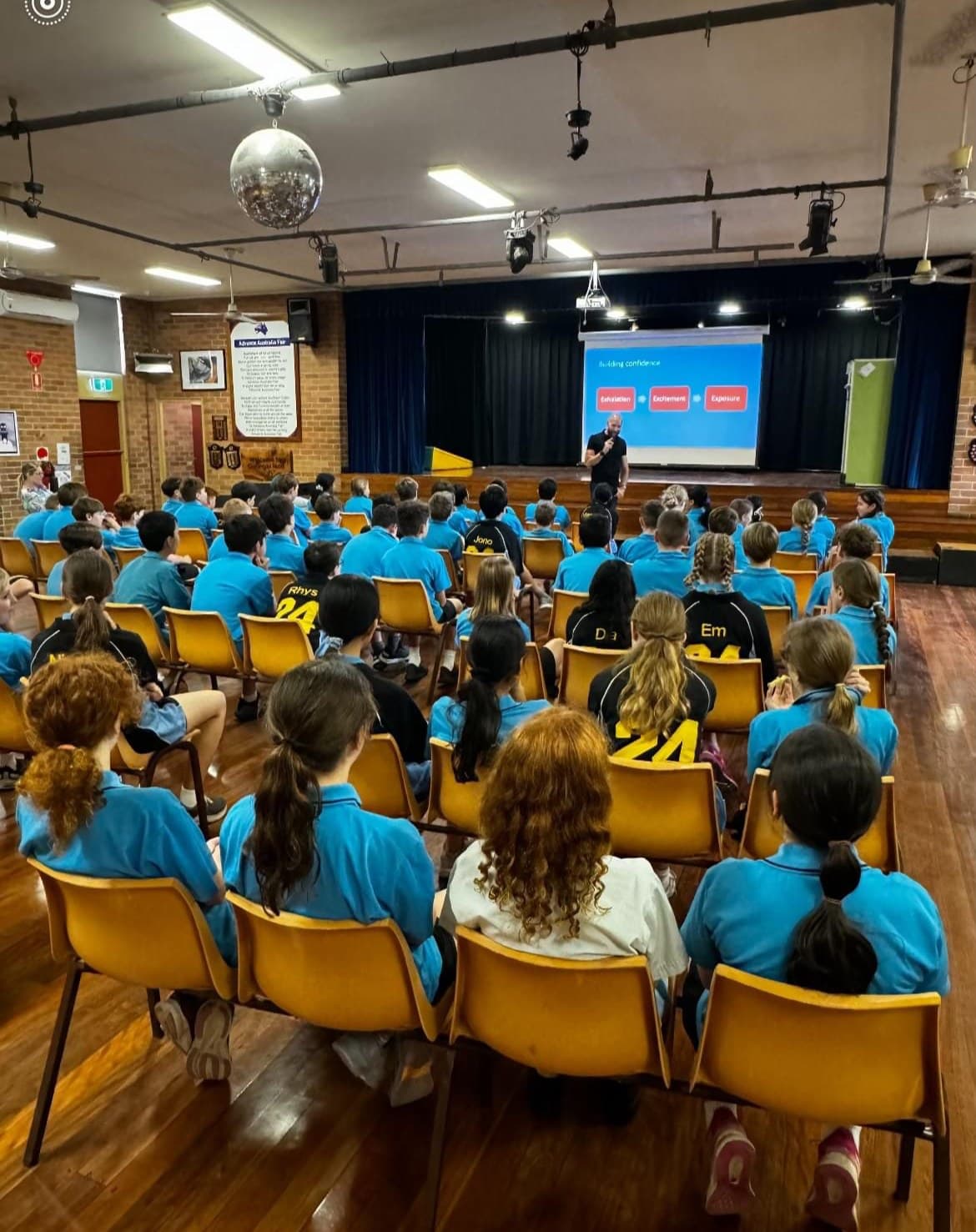
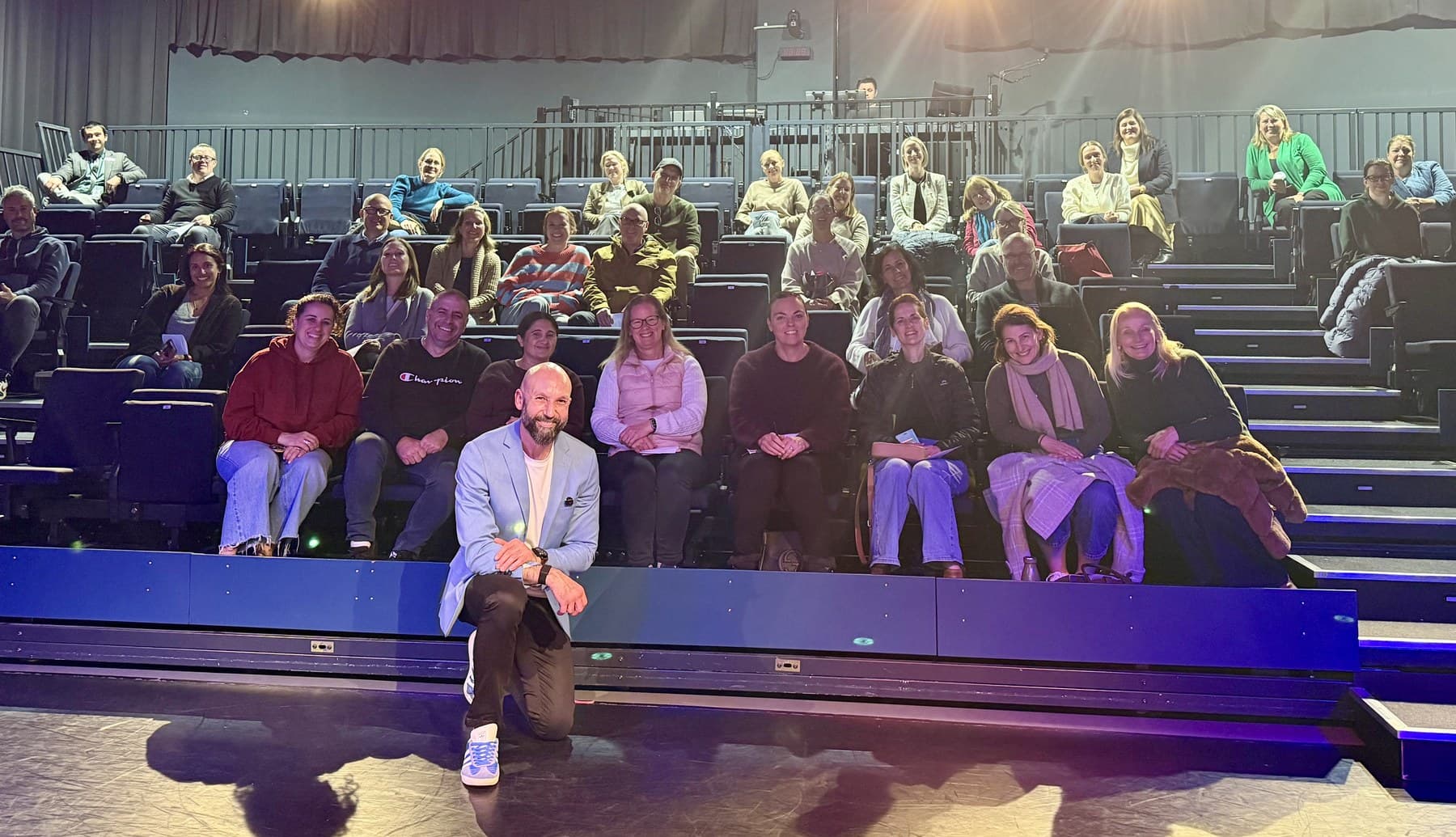
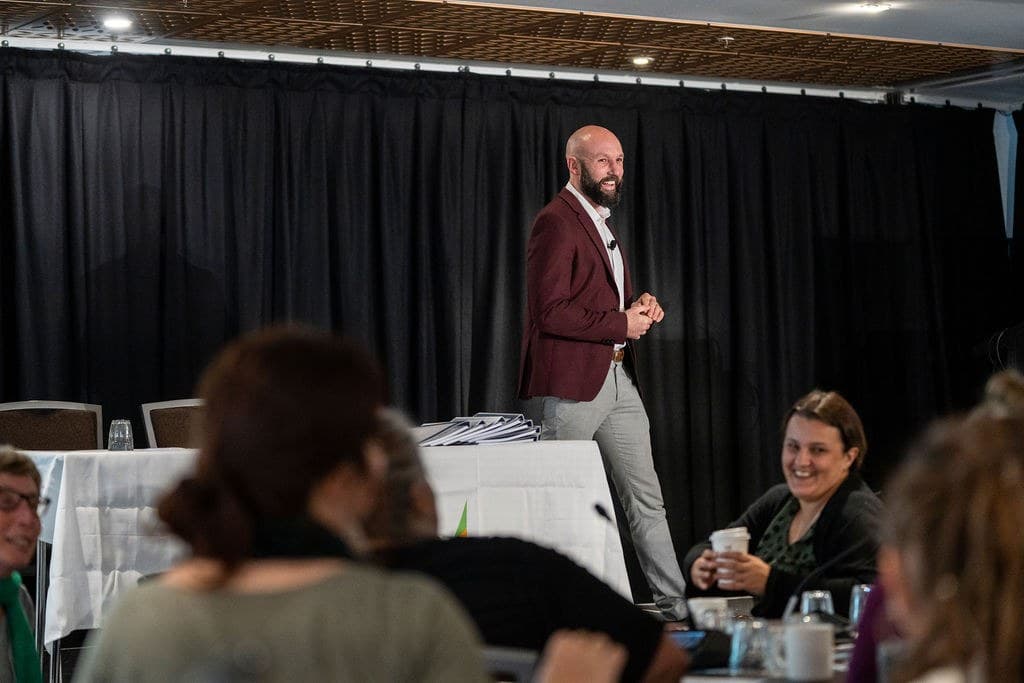
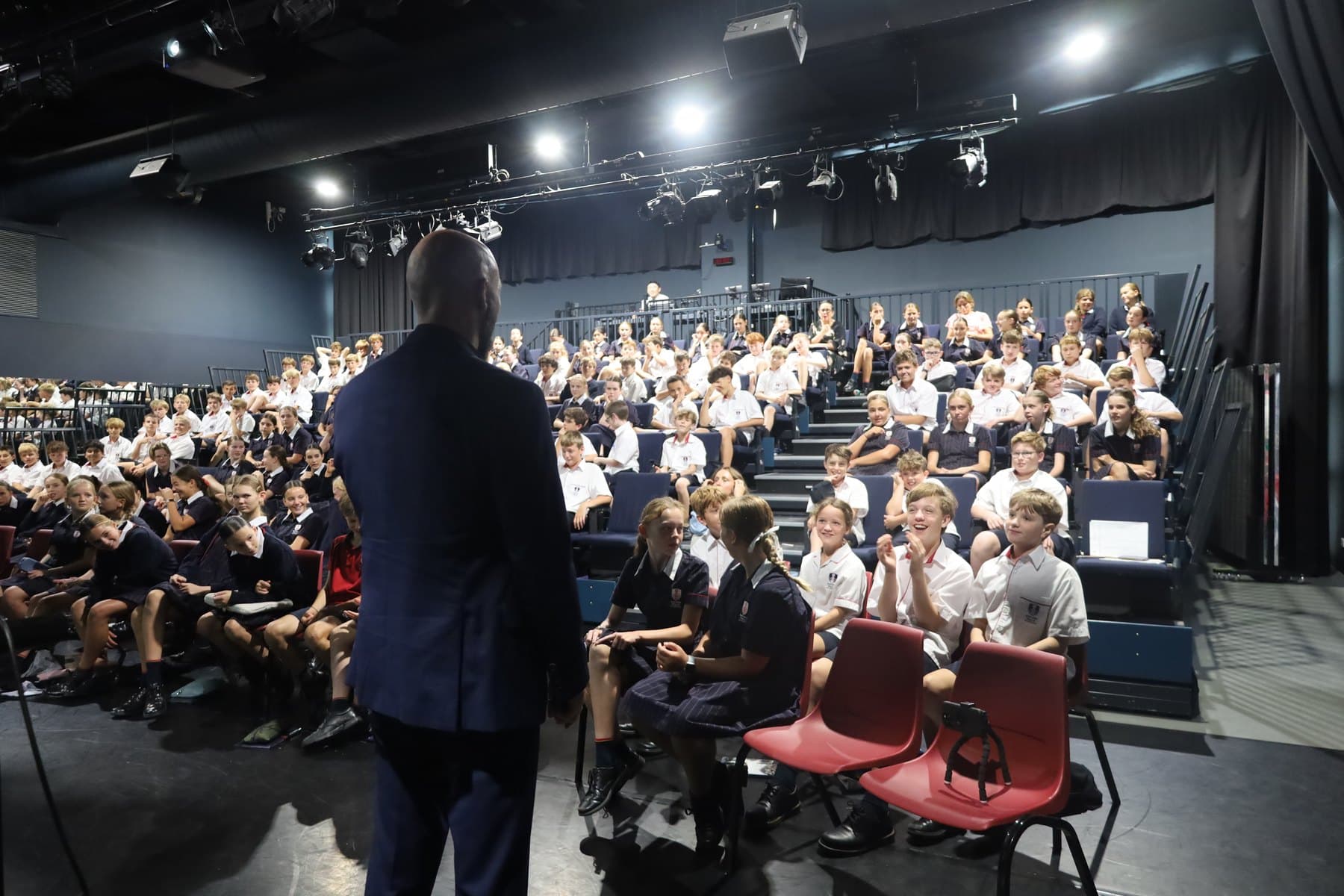
60 to 90 minutes for students, and 60 minutes plus 30 minutes of Q&A for parents.
Yes, online delivery is an option. The price is the same, and it doesn't carry the same impact as in-person — so running the session live is advisable.
A supportive PDF is sent to all families, whether they attended or not. Schools are welcome to record the session.
Yes. If the school wishes to film and share it with families who couldn't attend, that's fine as long as the link is available only to your school community and is taken down within 28 days. Filming and streaming resources are provided and managed by the school.
It's an option, but it incurs a surcharge and reduces the overall impact. Running them on the same day is advisable both for impact and affordability.
The ideal size for student sessions is 80–150, with a maximum of 250. Smaller cohorts are welcome and often benefit from more personalised attention. There's no limit on numbers for parent and staff sessions. Additional schools incur a surcharge.
No. The content in each session is weighted and crafted for its specific audience.
Tell Nick the audience, the date, and what you want them to walk away with.
The latest research in student wellbeing, practical tips for school leaders, and early access to new free resources.